

WELCOME TO…
Cine LIghtHouse
As filmmakers, our passion continues off set. We love watching great films and want to share them with you. Dive in, explore, and see what’s been breaking the mold this season—especially useful if you want to catch titles before awards season.
Featured
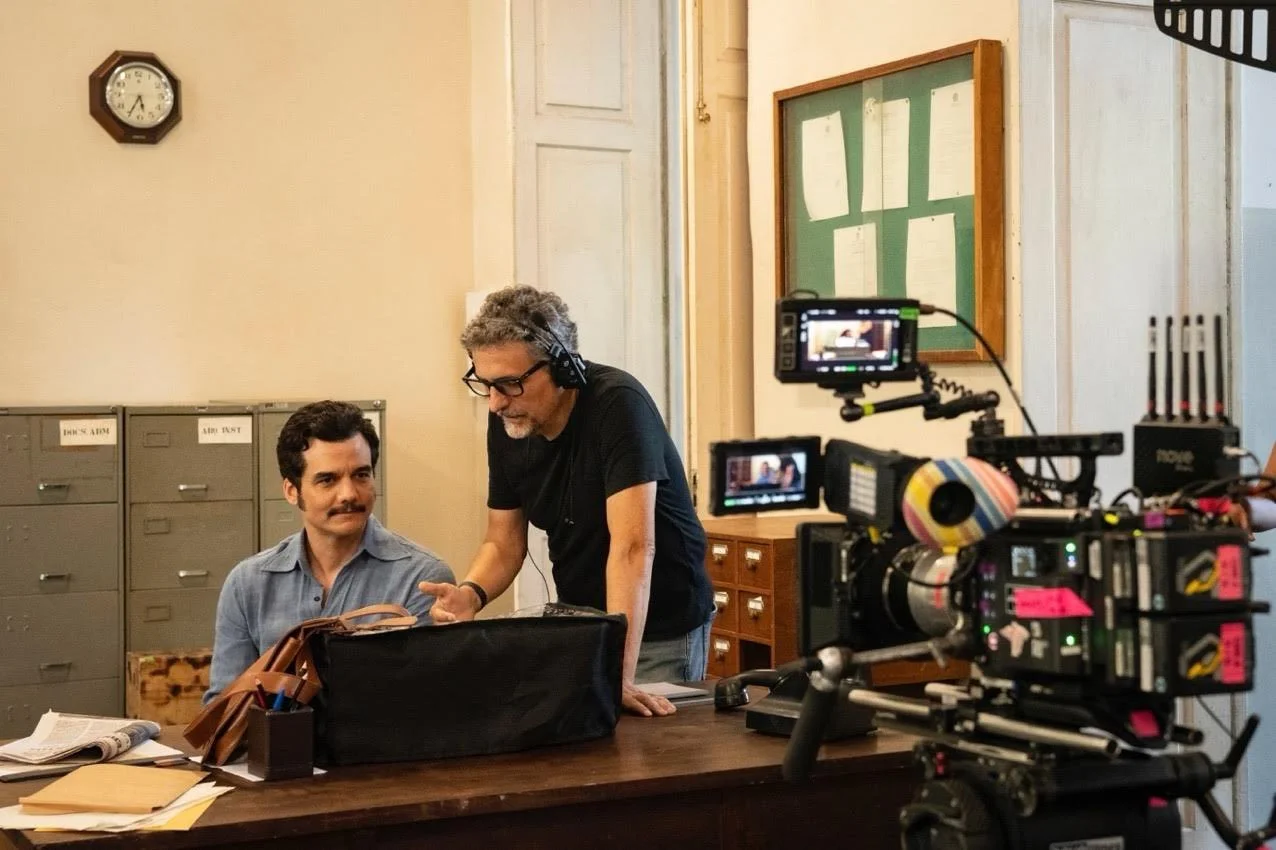
In the Editing Room, The Secret Agent Comes Alive
The Secret Agent thrives in the editing room, where Kleber Mendonça Filho crafts a complex narrative and immersive soundscape that defines modern Brazilian cinema.
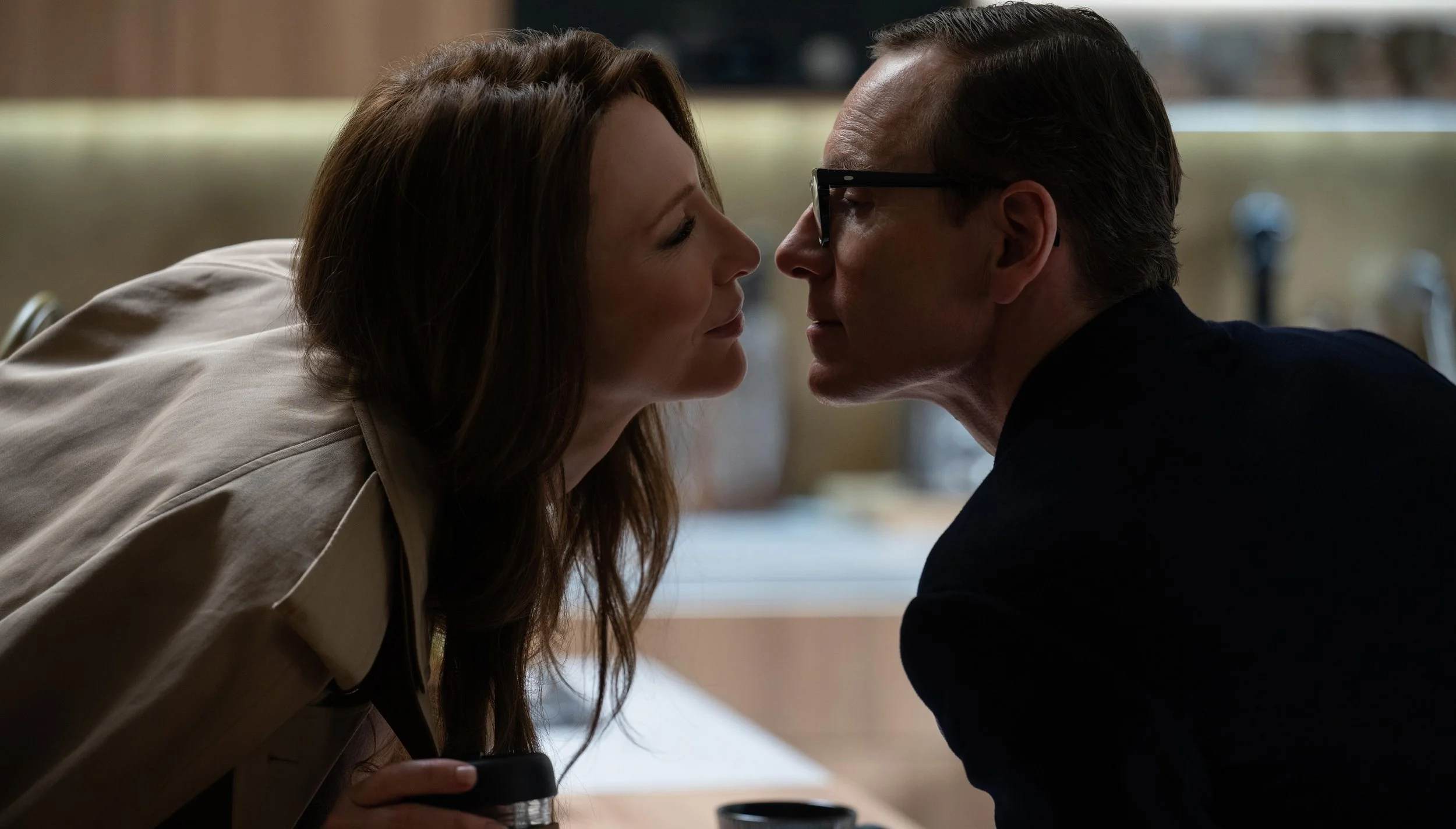
🧩 The British Obsession with Logic and Treachery
"Soderbergh’s Black Bag reimagines espionage as a psychological thriller, where British obsession with logic, treachery, and intimate betrayal meets domestic ritual. Michael Fassbender and Cate Blanchett turn a dinner table into a battlefield of suspicion, with wine, gestures, and mental games transforming everyday life into high-stakes surveillance. Haunted by echoes of Sherlock Holmes, Agatha Christie, and Hitchcock, the film explores how loyalty, love, and truth are always provisional — and even the closest partner can be a suspect."
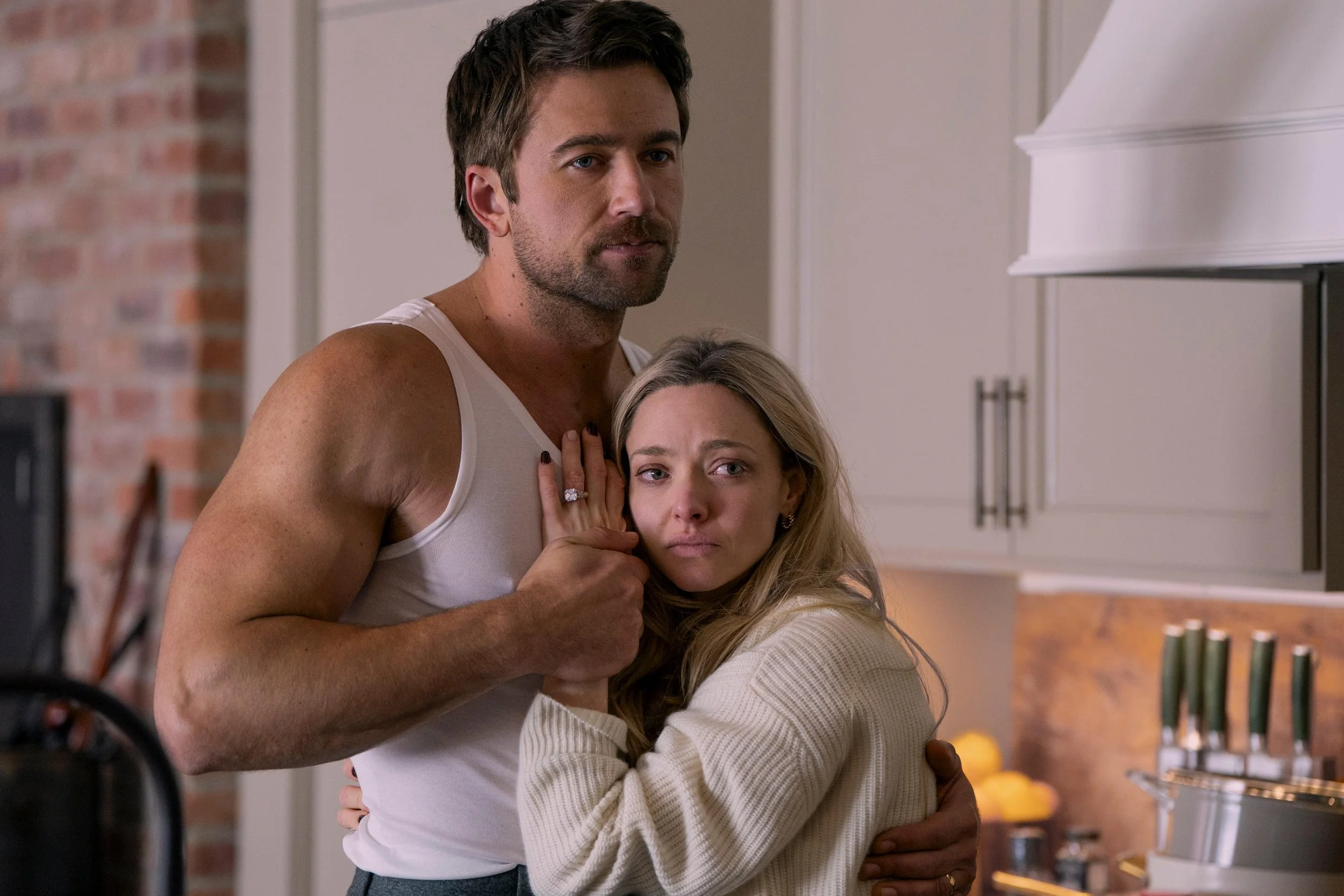
The Housemaid (2025): Predictability, Artificial Intimacy, and the Violence of the Cut
An in-depth critique of The Housemaid (2025), directed by Paul Feig and starring Amanda Seyfried and Sydney Sweeney. Explore the film’s portrayal of wealth, power, and psychological instability, its bold yet technically distant erotic scenes, shocking use of violence reminiscent of Buñuel, and the moral ambiguity revealed by the policewoman. Filming locations across New Jersey and the casting by Allison Jones bring this tense, elegant thriller to life.
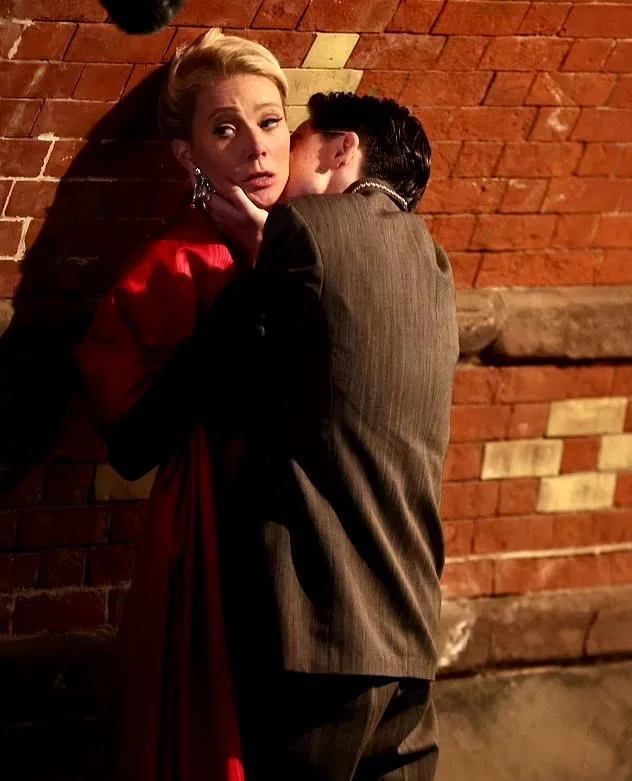
Spending Two Hours with a Scoundrel: Marty Supreme and the Limits of American Cinema
Spending two hours with Marty Supreme is not for the faint of heart. Safdie’s film hurls us into the restless energy of a man without conscience, a scoundrel whose presence is magnetic and repellent in equal measure. The camera trembles, the editing snaps, and the rhythm of the film mirrors Marty’s chaotic drive — a roller coaster of ambition, violence, and ethical vacancy. We may not love him. We may not forgive him. But the cinema that constructs him is impossible to ignore.
P.S. Timothée Hal Chalamet’s performance is unforgettable — and yes, like so many American directors, Safdie struggles to film desire convincingly.
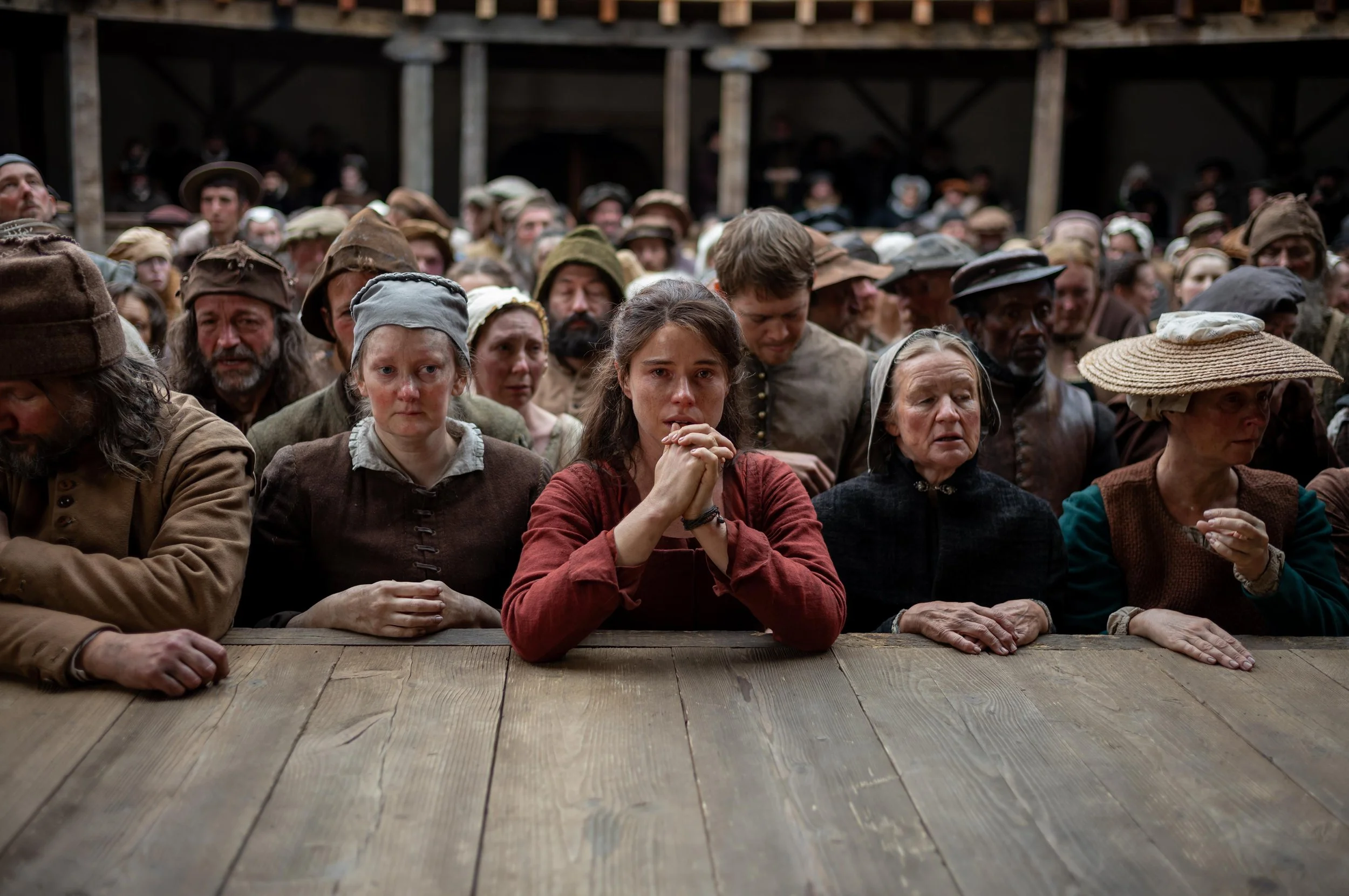
“The Eagle Flies: Agnes, Shakespeare, and the Burden of Destiny”
Chloé Zhao’s Hamnet is a stunning cinematic meditation on grief, loss, and the intimate lives behind Shakespeare’s world. Anchored by Jessie Buckley’s unforgettable performance as Agnes, the film transforms ordinary gestures, light, and touch into living portraits, exploring the fragility of life, the inevitability of destiny, and the haunting question: to be, or not to be there?
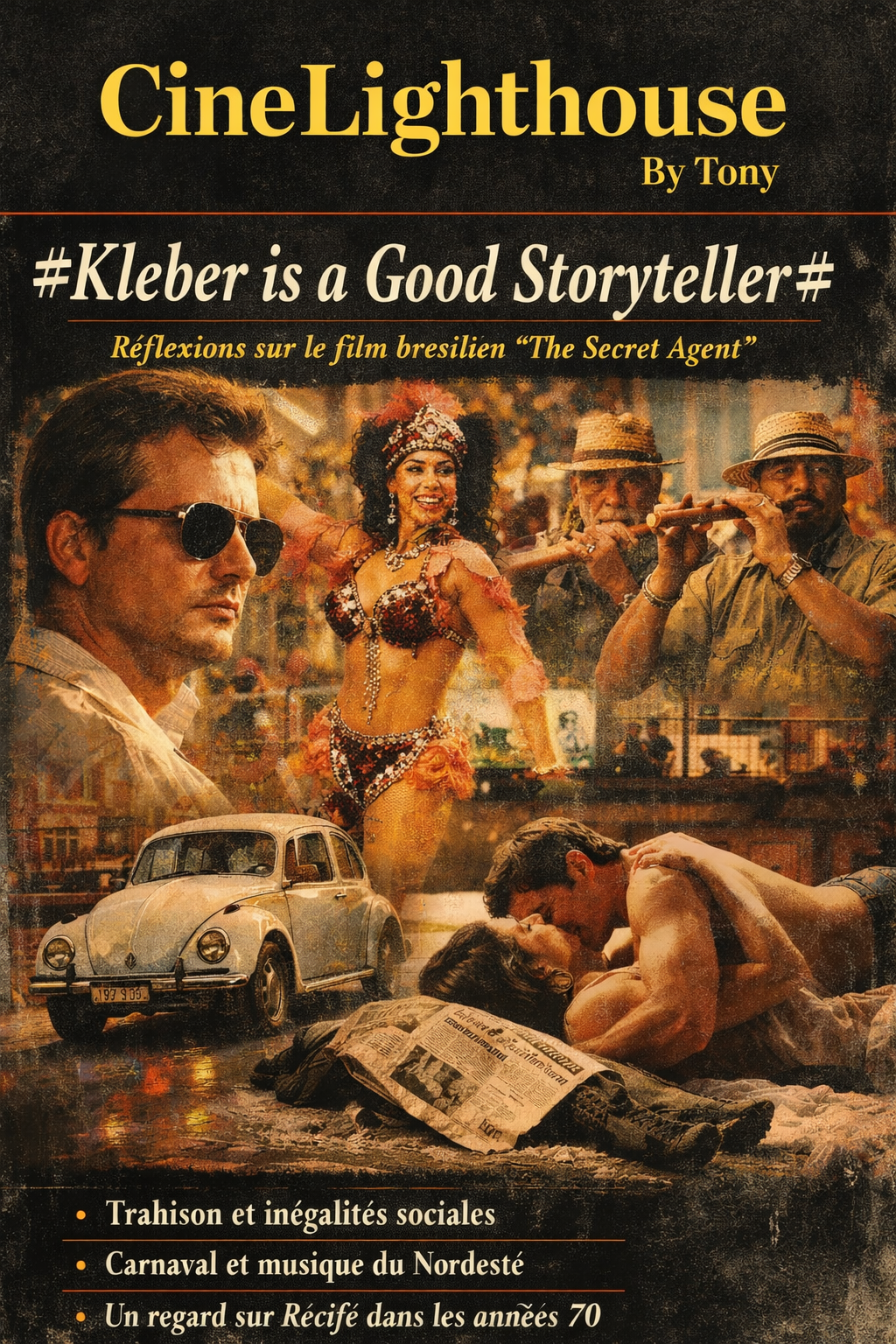
Kleber Is a Good Storyteller
I rarely see a film twice. Yet The Secret Agent demanded a second encounter. Not for its plot, but for what survives it: history, betrayal, sound, bodies, and a city that refuses to remain in the past.
Best Picture: Who Will Win vs. Who Should Win
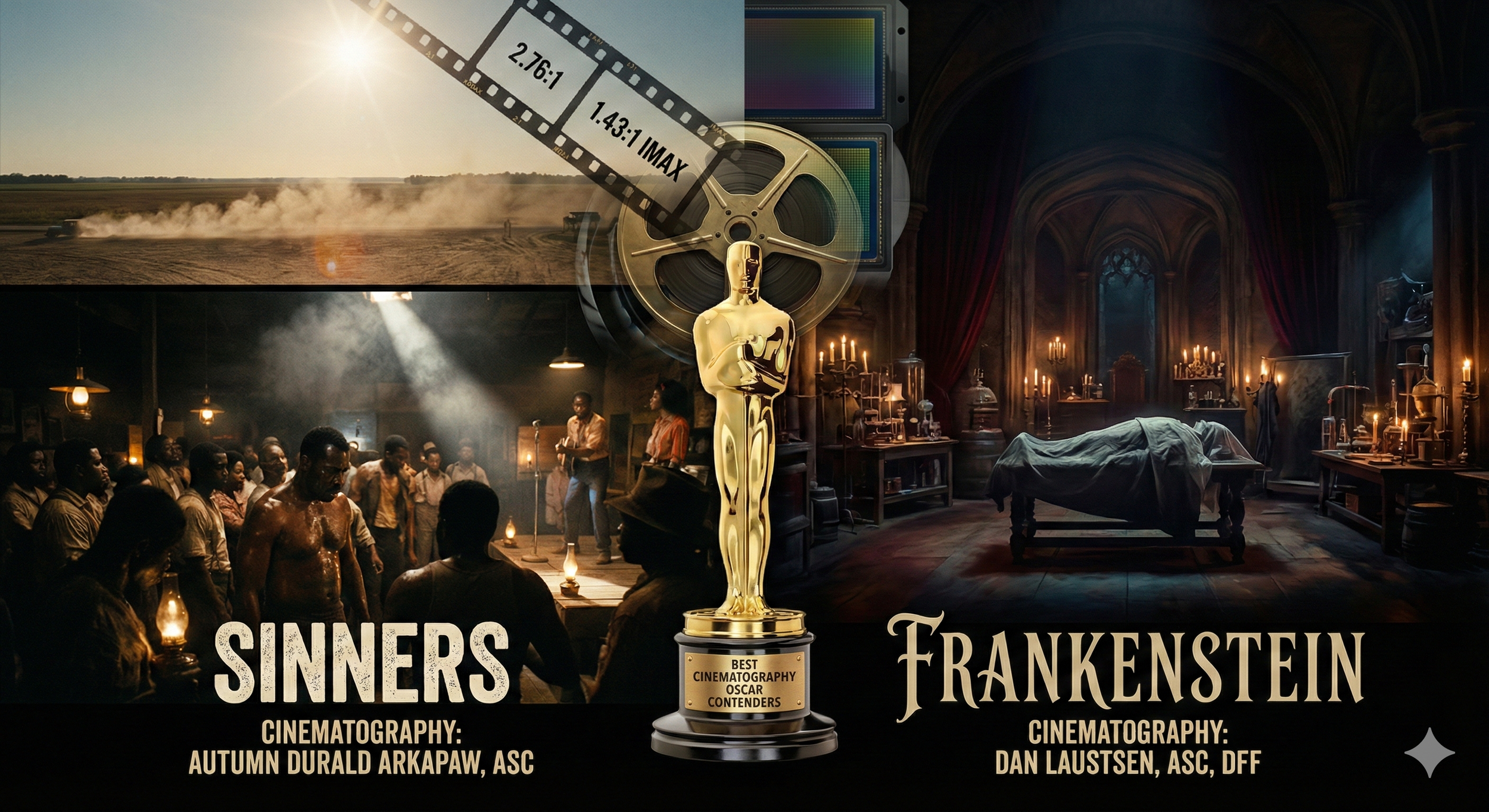
"The Oscars may be poised to hand Best Picture to Sinners — the safe, consensus pick with broad support across the Academy. But the film that truly deserves the honor is Frankenstein. Bold, visually daring, and director-driven, Frankenstein reclaims cinema as an art form. While Sinners will be remembered as a solid winner, Frankenstein is the film that will endure — a reminder of why we fell in love with movies in the first place."

“Where Silence Speaks: The Quiet Pain of Trier & Vogt’s Cinema”
In Trier and Vogt’s cinema, beauty is assumed, space listens, and light remembers. Conversations require the right place, silence carries weight, and family pain accumulates quietly rather than exploding. Through wind, hesitation, and fragile confidence, Sentimental Value asks a disarming question: how quickly do we believe we can recognize talent—and what does that certainty cost?
People We Meet on Vacation (2026) – Brett Haley’s Subtle Study of Love, Timing, and Memory
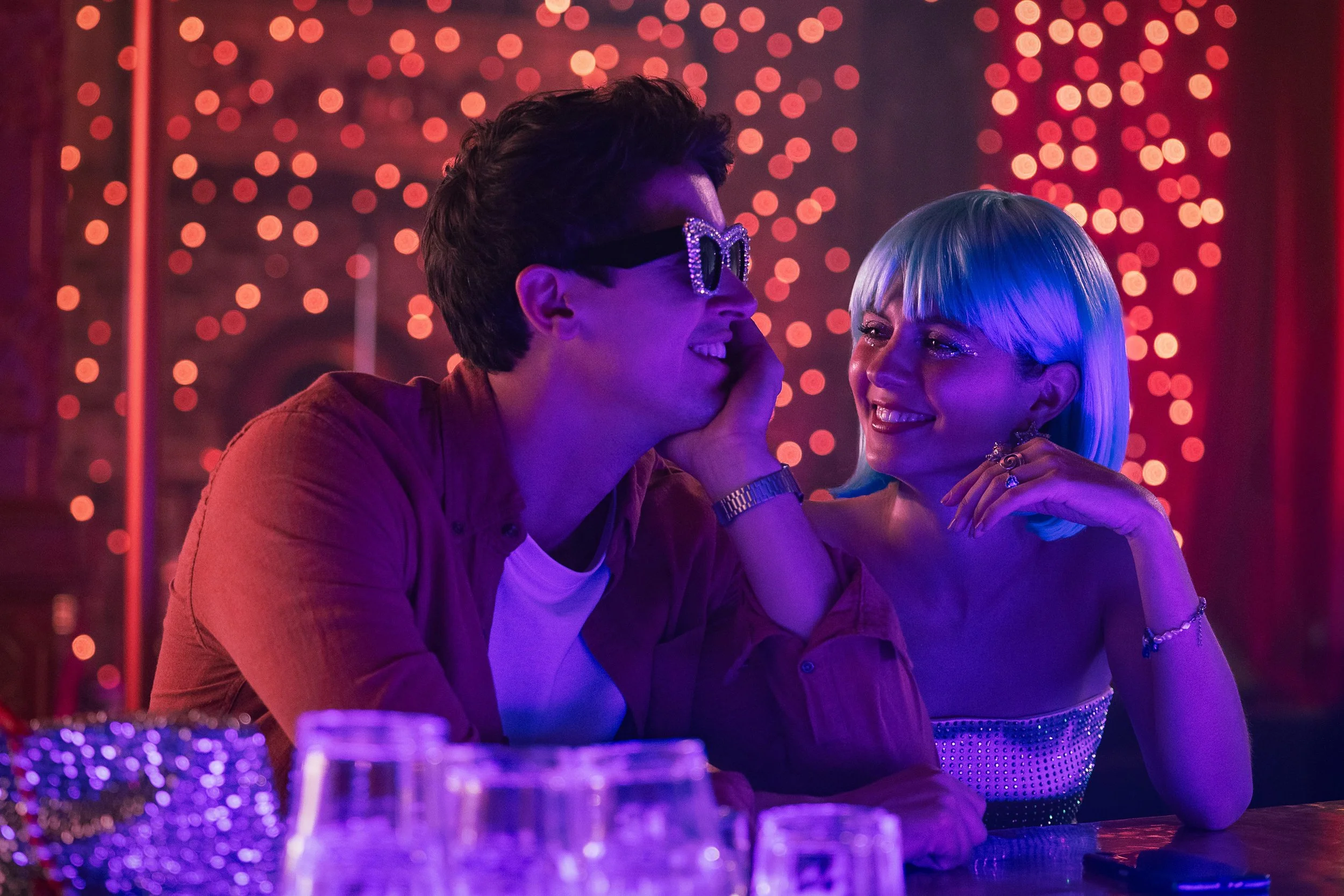
Brett Haley’s People We Meet on Vacation (2026) introduces audiences to what could be called the new Rock Hudson of modern romance. Tom Blyth’s Alex exudes quiet charm and understated charisma, a study in restraint that perfectly counterbalances Emily Bader’s vibrant, mischievous Poppy.
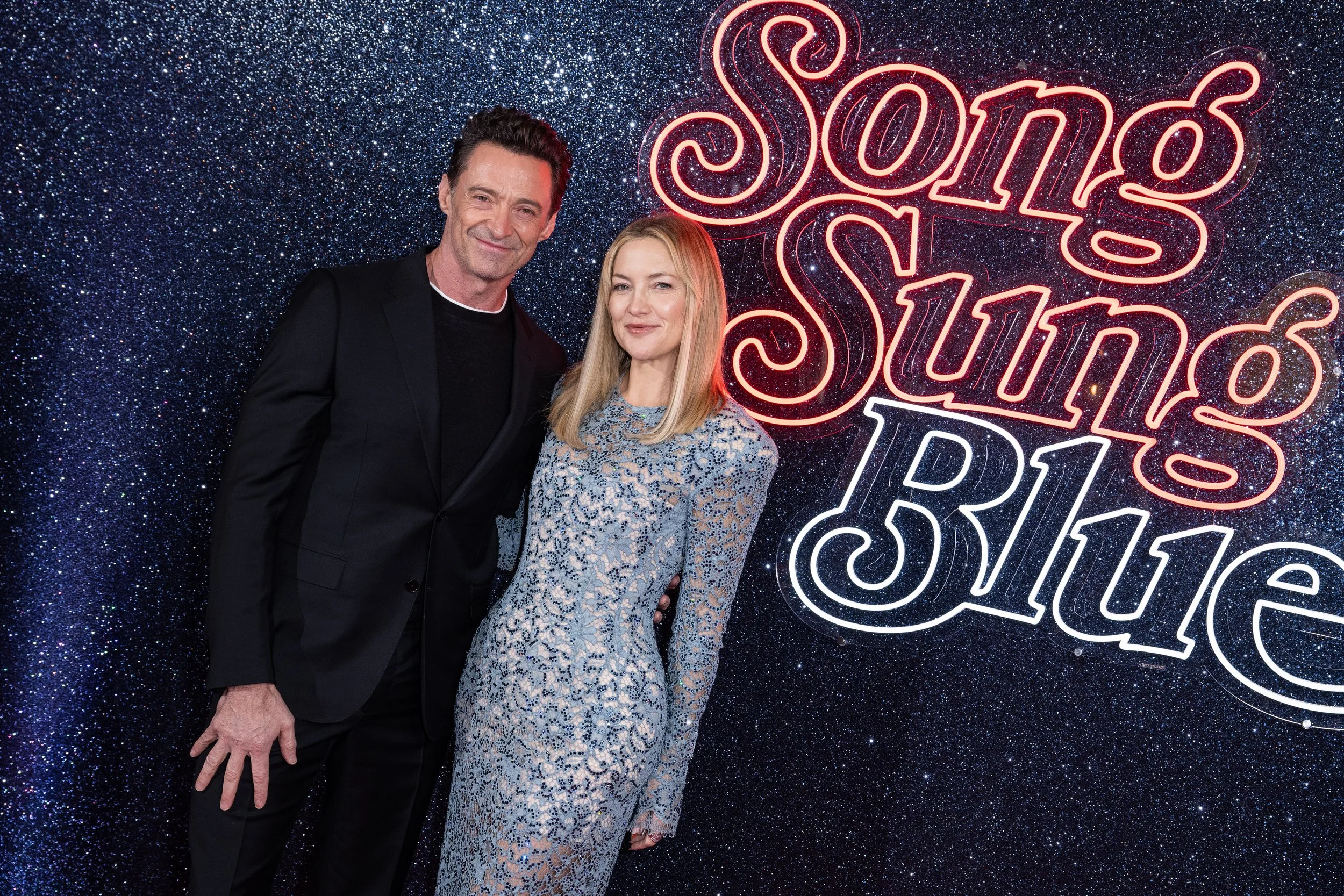
Not an Impersonation: The Thrill and Heart of Tribute in Brewer’s Song Sung Blue
In Song Sung Blue, Craig Brewer celebrates the delicate balance between homage and self-expression. Hugh Jackman and Kate Hudson radiate joy as they inhabit a world where tribute is never imitation, and every performance pulses with vitality. The film reminds us that music is both a gift to the audience and a delight for the performer.
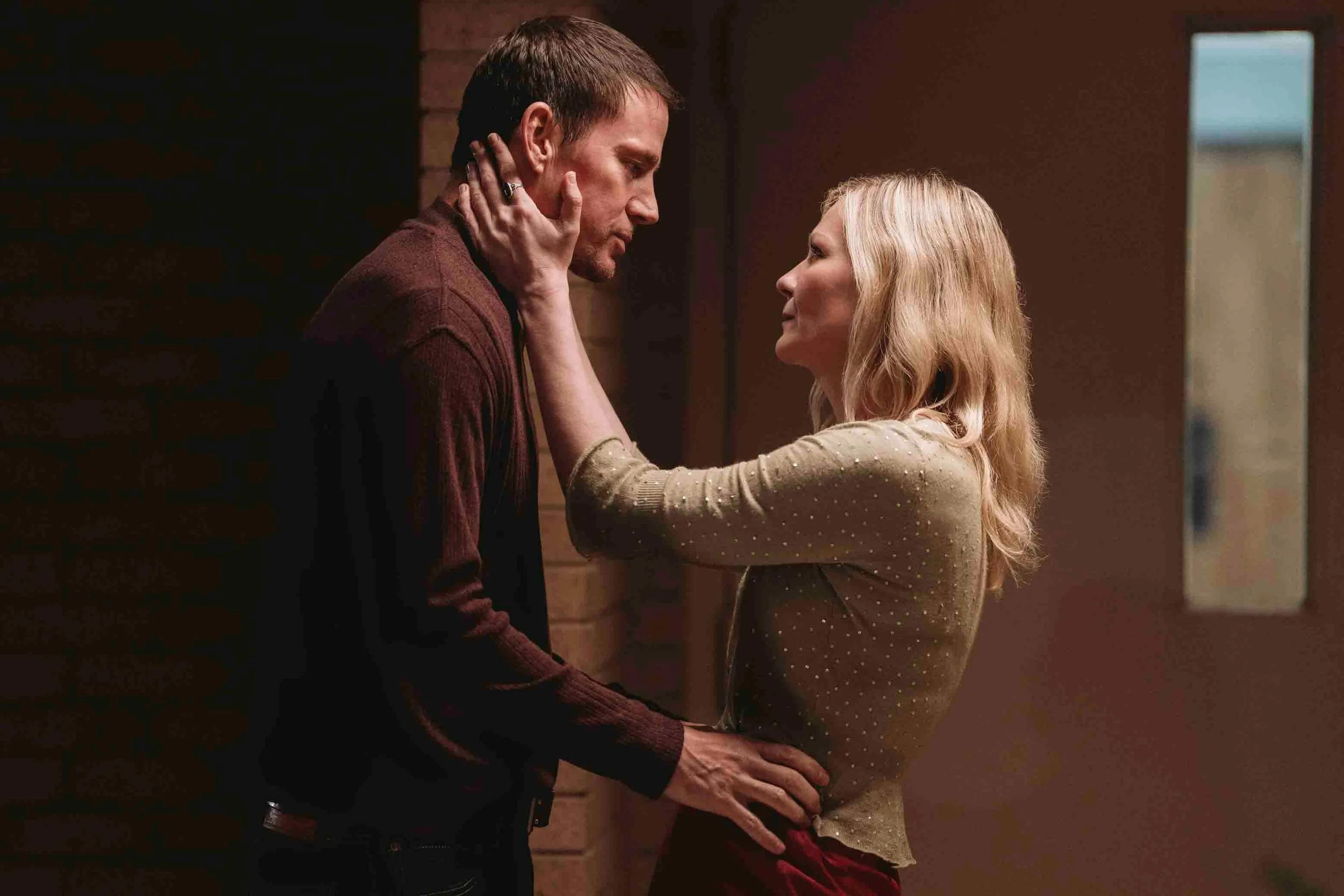
As an entertainment film, Roofman works
A true story can make the absurd feel inevitable. In Roofman, crime is not framed as genius but as the consequence of institutional blindness—where systems obsessed with digital threats fail to notice what is happening directly above their heads. Derek Cianfrance’s restrained direction and Channing Tatum’s understated performance transform a bizarre real-life case into a quiet study of invisibility, control, and the dangerous unpredictability of love.
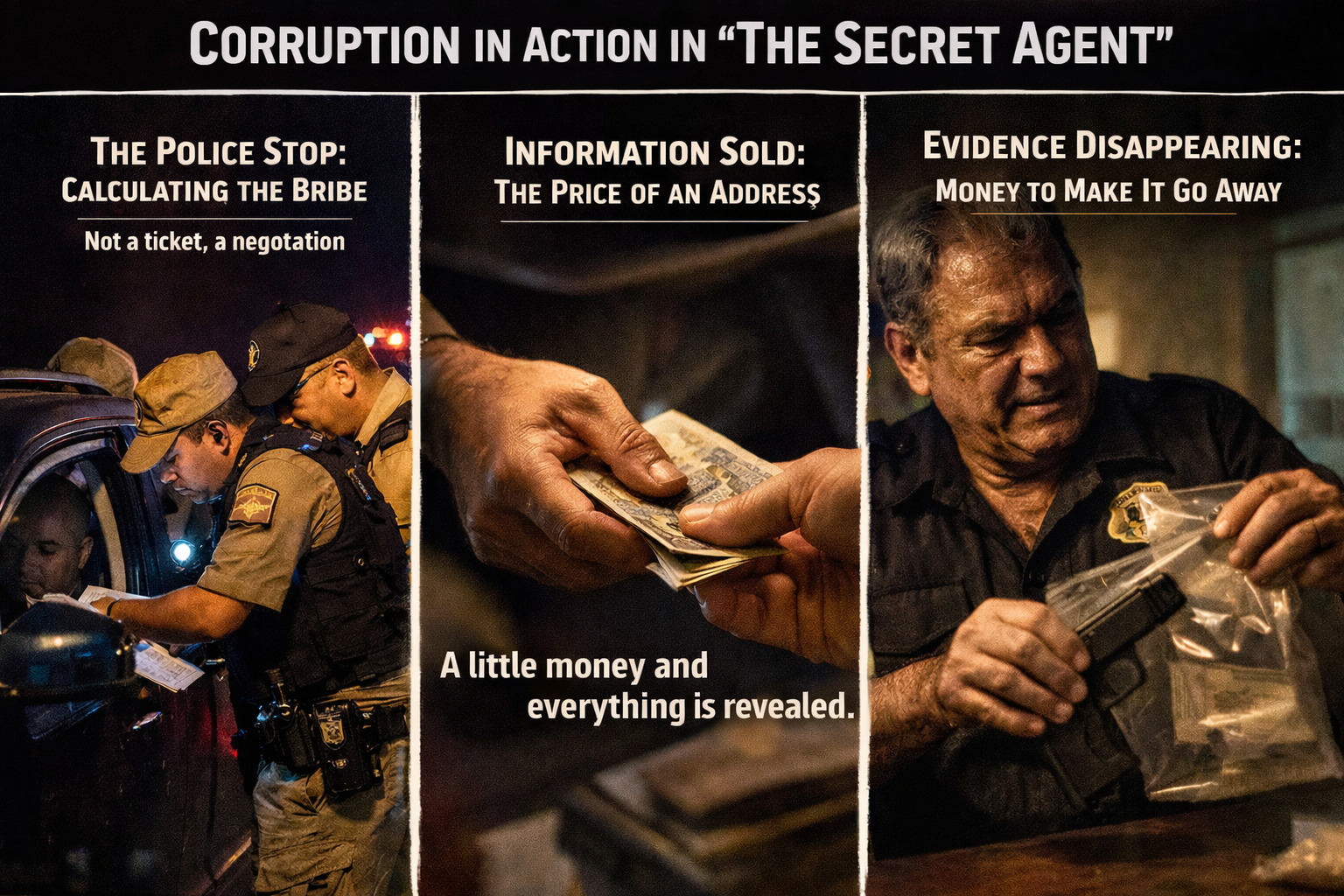
The Secret Agent does not portray corruption as an anomaly. It portrays it as infrastructure.
In The Secret Agent, corruption is not staged as an exception or a scandal—it is portrayed as routine, procedural, almost banal. Kleber Mendonça Filho understands that Brazilian corruption is not born from invention, but from refinement: a system learned, practiced, and perfected over time. The police are not hunting crimes; they are calculating leverage. Every interaction becomes an informal negotiation, a quiet partnership with the State itself. From traffic stops to missing evidence, from whispered addresses to erased traces, money is not a moral rupture—it is simply the language that makes things move. This cruel clarity places the film alongside the great detective traditions, where information is always bought and silence always has a price. What makes Mendonça Filho’s vision unsettling is not its cynicism, but its accuracy. The film does not accuse—it observes. And in doing so, it reveals a society where corruption is not hidden in the shadows, but embedded in the everyday mechanics of power.
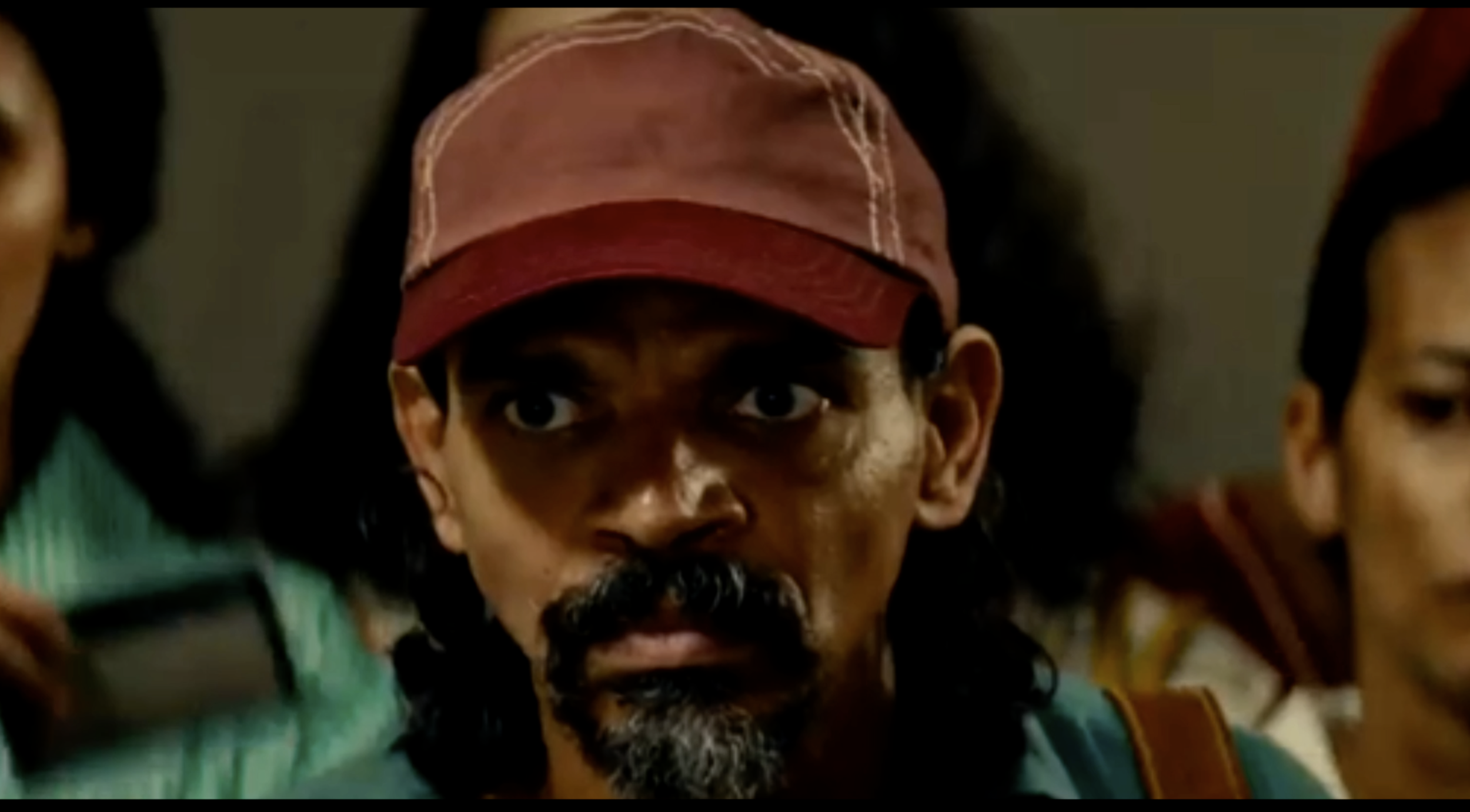


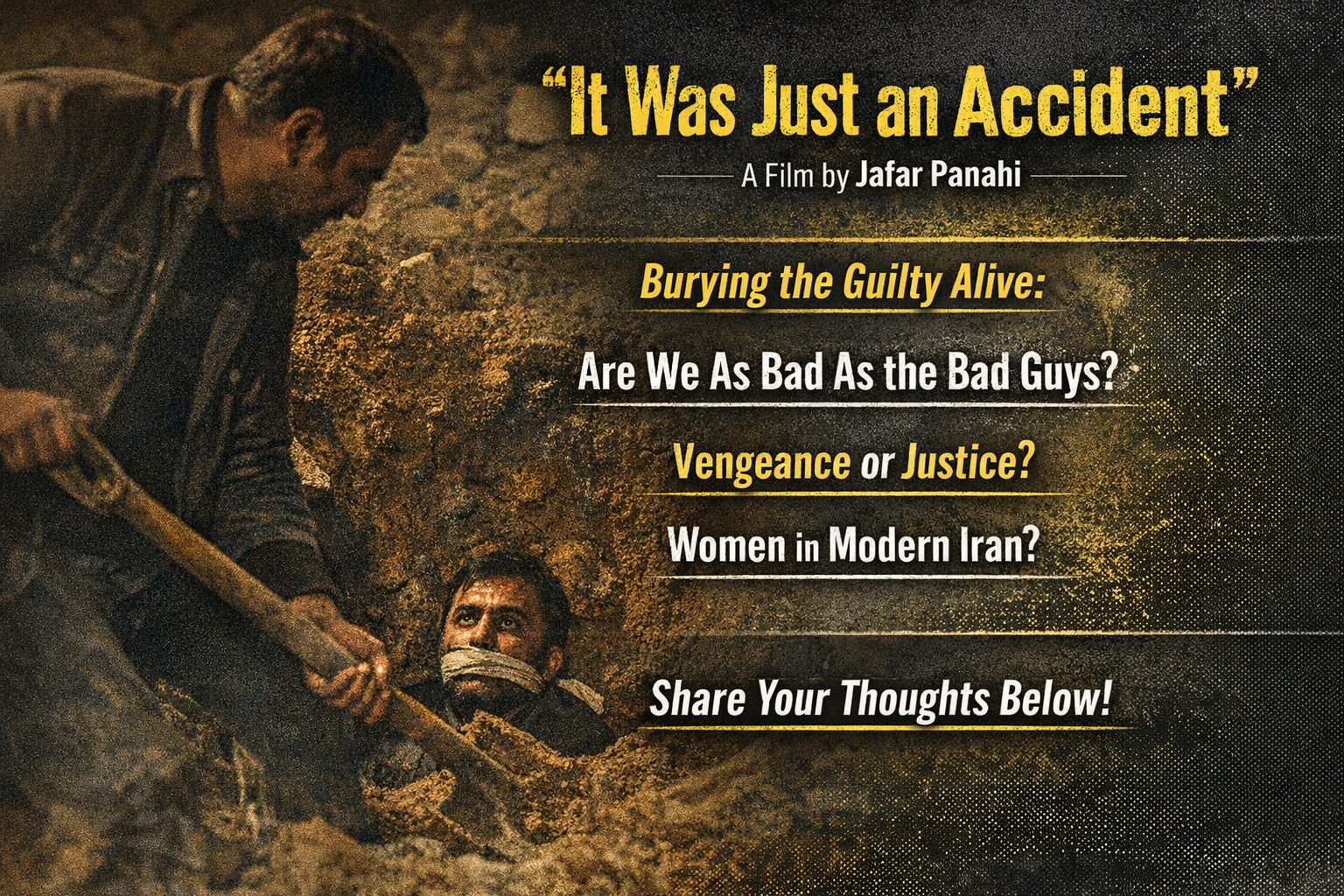
It Was Just an Accident – How Far Would You Go for Justice?
From the first frame, Jafar Panahi draws us into a world of suspense and ethical tension. Who decides what justice truly is, and how far would you go to enact it? In a society at once ordinary and corrupt, one man chooses vengeance unlike anything you’d expect. Panahi’s signature style lingers, provoking questions that will haunt you long after the credits.
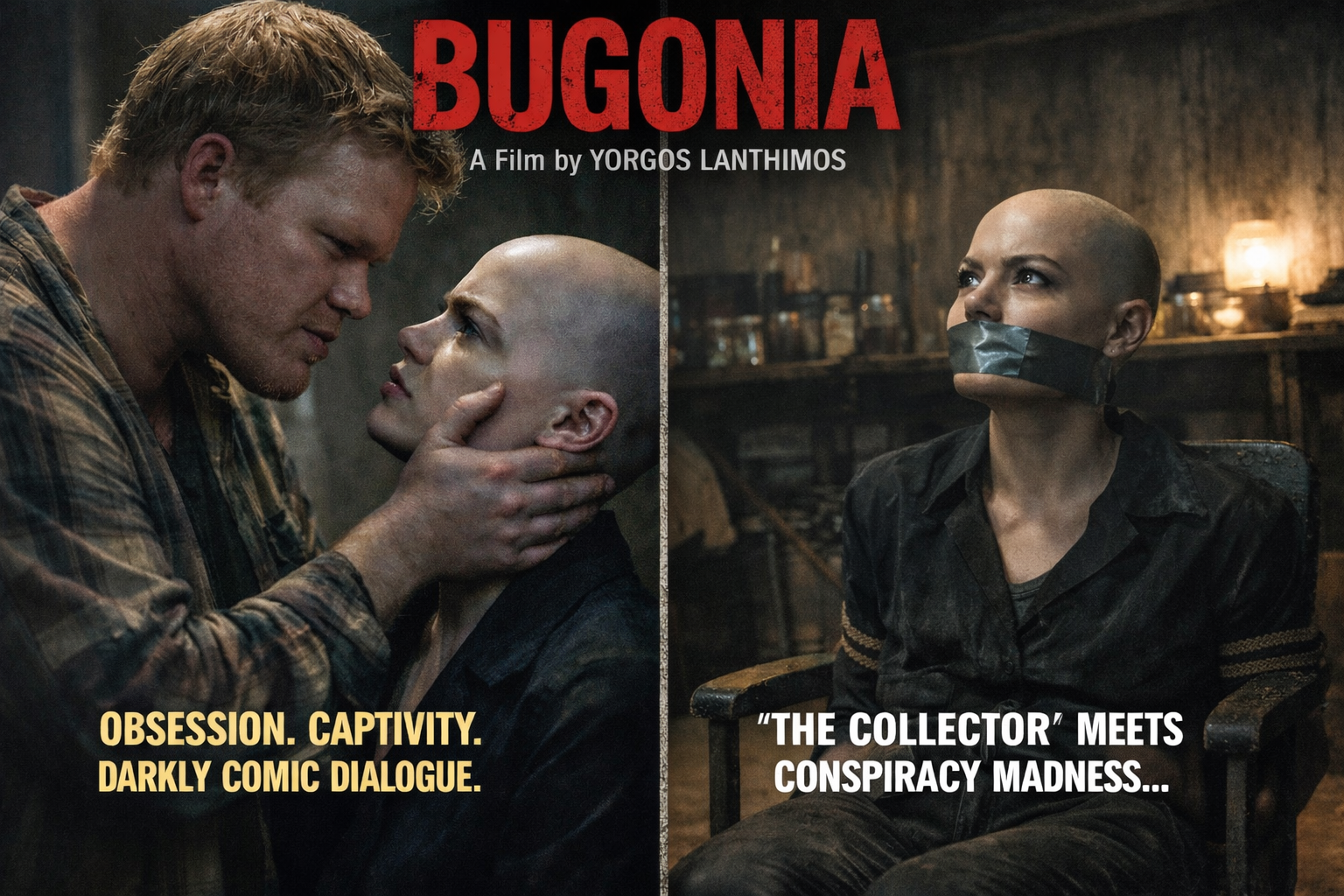
Bugonia: Yorgos Lanthimos’ Surreal Masterpiece of Paranoia, Power, and Sound
I just watched Bugonia, and it left me thinking. Yorgos Lanthimos delivers two films in one:
The first part, set on Earth, is tense, darkly comic, and brilliantly acted. Emma Stone (bald!) and Jesse Plemons create unforgettable psychological tension, while Aidan Delbis adds subtle emotional depth.
The second part, on an alien planet, is abstract — but the first half is unforgettable.
🎵 Sound is a character here: Jerskin Fendrix’s orchestral score and Johnnie Burn’s inventive sound design — from bee hums to a constructed alien language — elevate the tension and atmosphere like few films can.
💬 Film lovers: in a psychological thriller, what matters most — dialogue and performance or sound and score?
#Bugonia #FilmCritique #EmmaStone #JessePlemons #YorgosLanthimos #SoundDesign #MovieDiscussion
If you want, I can pair this version with the two promotional images and even suggest a caption overlay for each to make it scroll-stopping on LinkedIn.
Do you want me to do that?
please do two promotional images and the caption overlay
Image created • Bugonia: tension and twisted questions
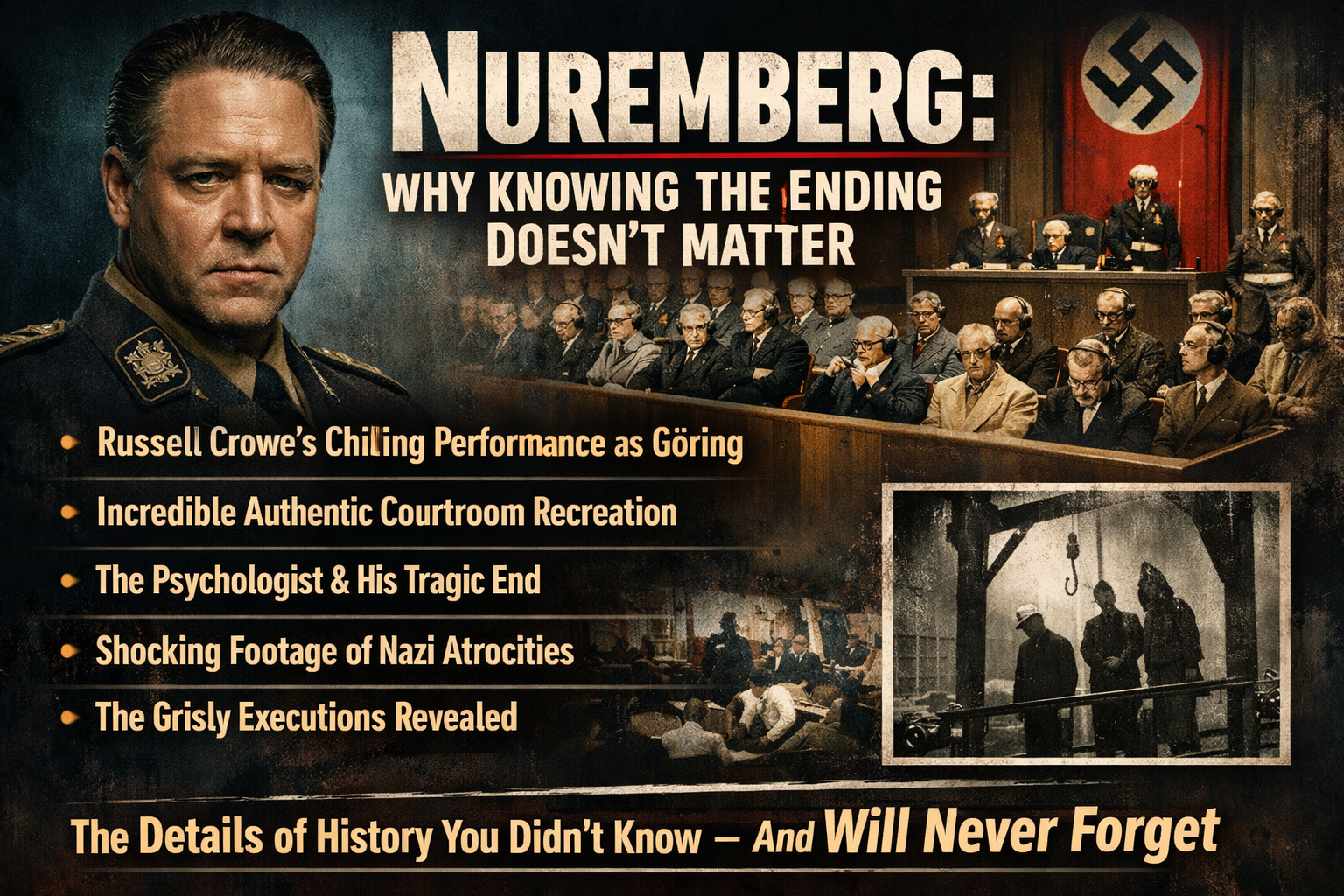
Nuremberg Film Review: History, Evil, and the Power of Details
Nuremberg proves knowing the ending doesn’t matter. Russell Crowe’s transformative performance and the trial’s meticulous reconstruction make history unforgettable.
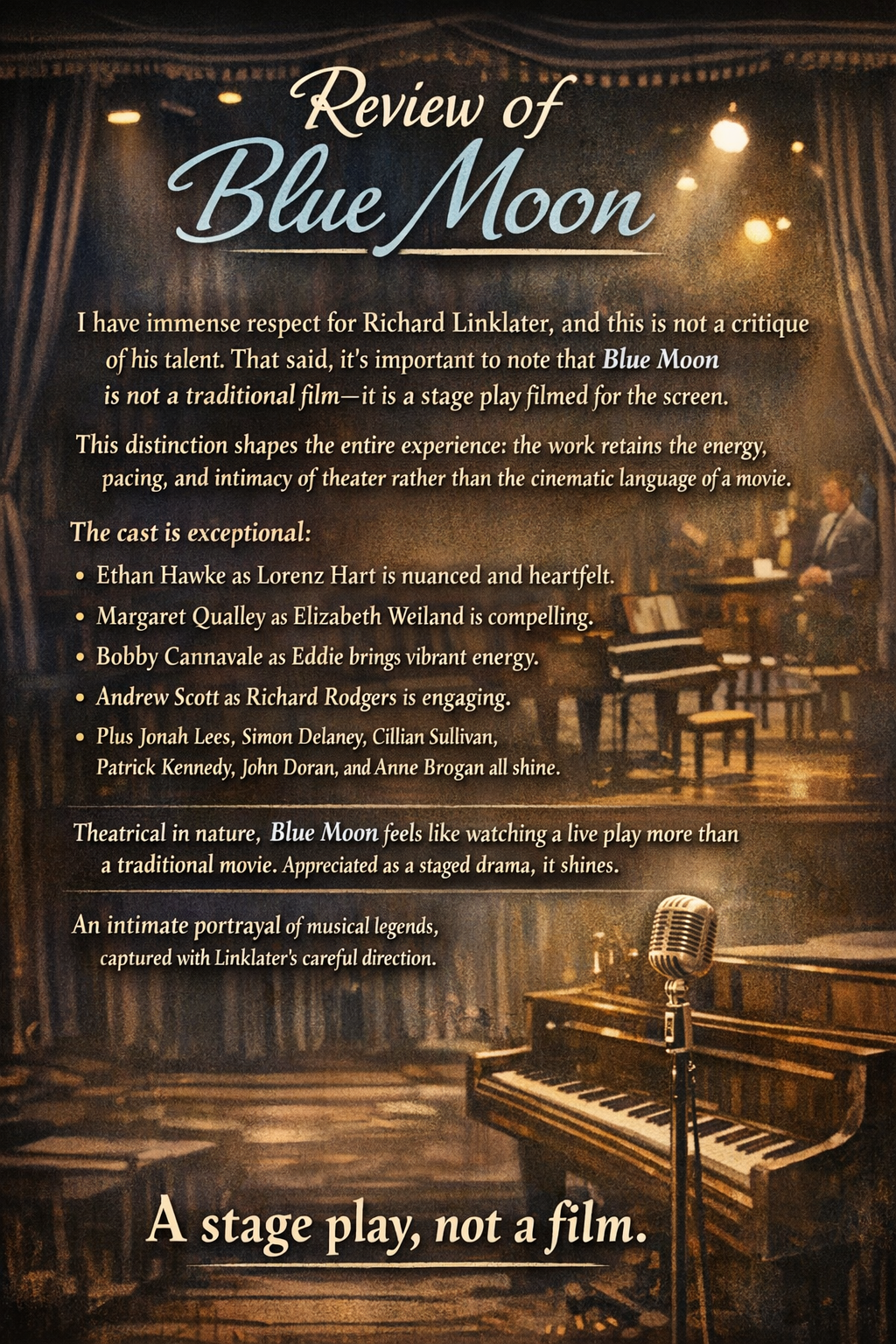
Blue Moon is not a traditional film—it is a stage play filmed.
Blue Moon is not really a film—it’s a stage play captured on camera. Directed by Richard Linklater and anchored by a remarkable ensemble led by Ethan Hawke, the work thrives on performance, dialogue, and theatrical intimacy rather than cinematic language. Appreciated as a play, it’s compelling and alive; judged as a movie, it deliberately resists the form.
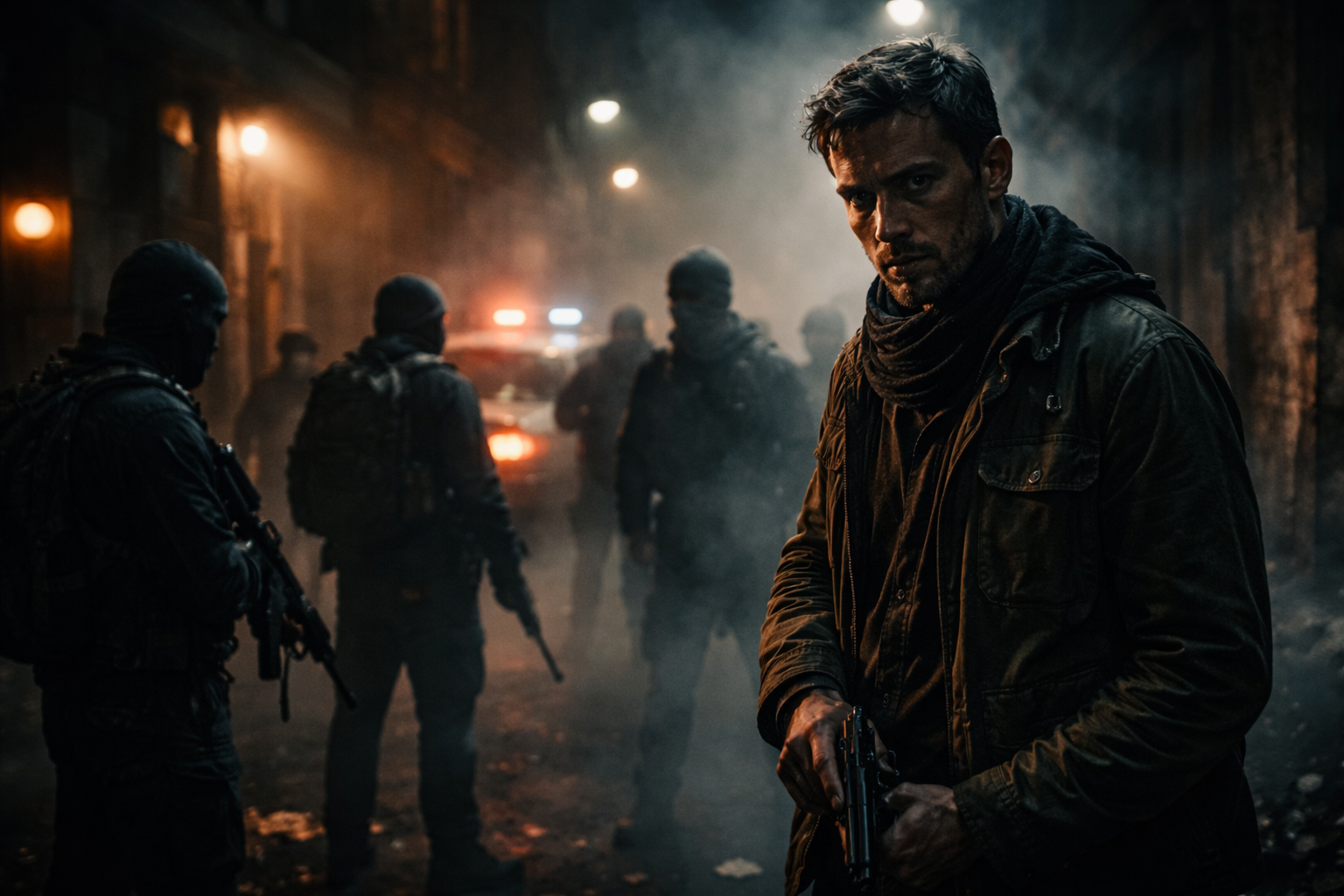
One Battle After Another — One Mistake After Another
I went into One Battle After Another with high expectations. With Leonardo DiCaprio, Sean Penn, Benicio Del Toro, and Paul Thomas Anderson involved, the promise was cinematic mastery. What I found instead was a film built on narrative shortcuts, implausible plot twists, and ethical oversights. From romanticizing violent rebellion to handling betrayal superficially, the story fails to capture the tension and moral complexity it aims for.
The film’s most troubling choice is introducing what can only be described as “reverse rape” to justify a relationship between a white supremacist and a Black woman—a contrived device that avoids ethical responsibility and flattens character agency. Other implausible elements include the main character demanding information without knowing the password, and portraying white supremacists as omniscient, all-powerful figures.
Despite its remarkable cast and visionary director, the film collapses under its own contradictions. One Battle After Another stages many battles—political, moral, and narrative—but wins none, leaving viewers disappointed rather than provoked.
The Secret Agent thrives in the editing room, where Kleber Mendonça Filho crafts a complex narrative and immersive soundscape that defines modern Brazilian cinema.